Sovereignty in Bitcoin is more than holding your own keys. It is the full spectrum of practices that determine how much control you actually have over your financial life. You can hold your own keys and still be dependent on someone else's node for transaction verification. You can run a node and still have terrible privacy habits that link your identity to every transaction you make. True sovereignty is a posture, not a single action, and it spans multiple dimensions that need to work together.
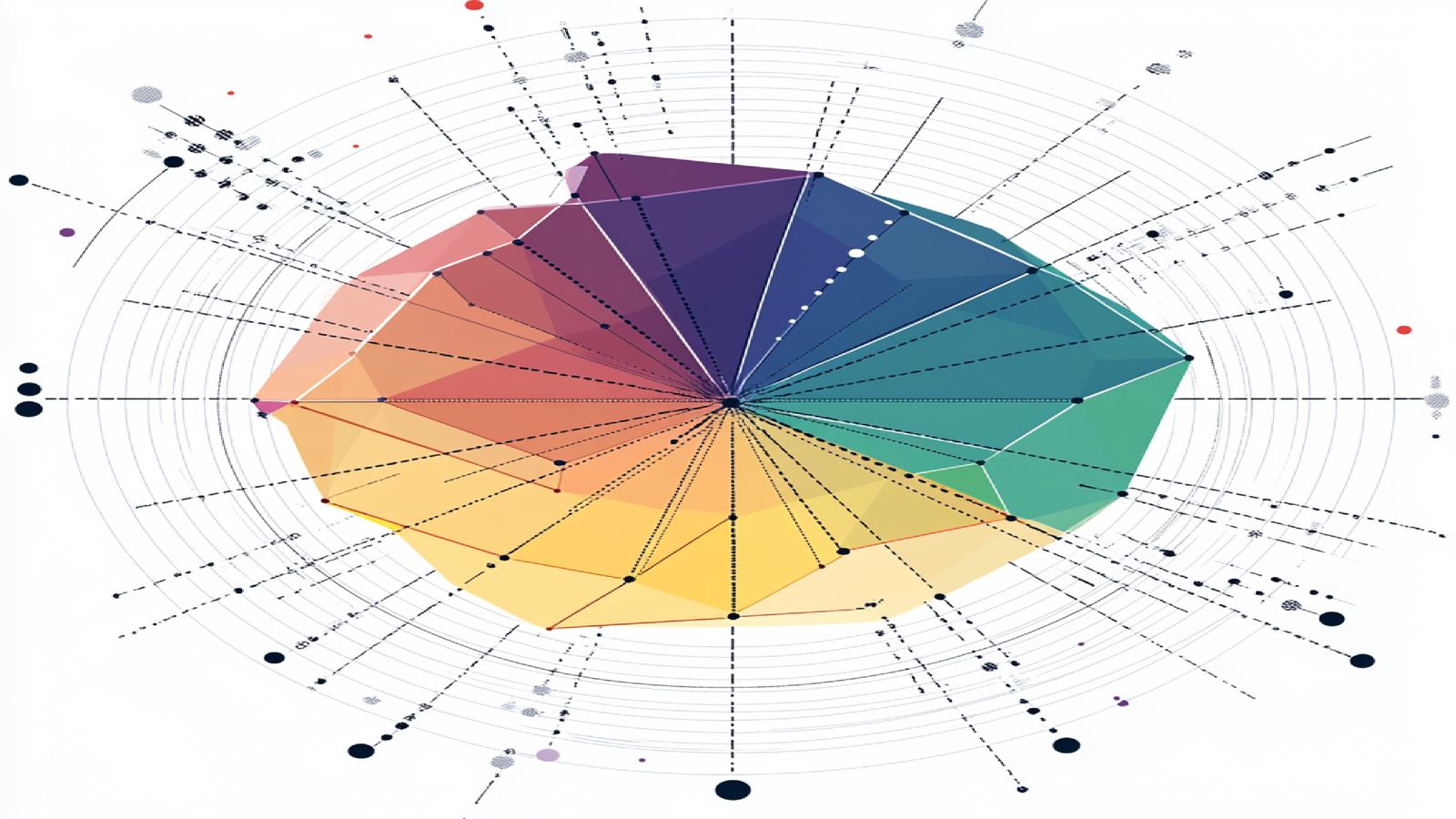
This scorecard breaks sovereignty down into five measurable categories. Each one represents a domain where your practices either strengthen or weaken your independence. The assessment gives you a concrete score, a level, and actionable guidance for where to focus your effort. The point is not to reach a perfect score overnight. The point is to know exactly where you stand right now, so you can make deliberate decisions about what to improve and in what order.
What This Tool Measures
The scorecard evaluates five categories, each weighted by the relative impact of the practices within it.
Custody covers how you hold your private keys, how your seed phrase is stored, whether you have a recovery plan, and whether you have addressed multi-signature security and inheritance planning. This is the foundation. If your custody is weak, nothing else matters.
Network evaluates your connection to the Bitcoin network itself. Running your own full node is the gold standard, because it means you verify every transaction independently without trusting a third party. This category also covers how you protect your network traffic and whether you understand the mempool and fee dynamics.
Privacy assesses whether you manage your transaction footprint deliberately. UTXO management, coin selection, minimizing data exposure to exchanges, and understanding chain analysis are all part of this. Financial privacy is not about hiding wrongdoing. It is about maintaining the personal autonomy that sound money is supposed to provide.
Knowledge tests your understanding of the Bitcoin protocol, the economic reasoning behind a fixed-supply monetary asset, and your ability to identify misinformation. Knowledge is the category that makes all the others meaningful. Without it, you are following procedures without understanding why they matter.
Verification is the operational habit of confirming things yourself instead of trusting intermediaries. Verifying software signatures, checking transaction details on your hardware wallet screen, using a block explorer or your own node for confirmation, and cross-referencing information from multiple sources. This is the "don't trust, verify" principle turned into daily practice.
How Inputs Should Be Interpreted
Each item carries a point value that reflects its importance within the category. Running your own full node, for example, is worth more points than having used the Lightning Network, because node operation has a larger impact on your sovereignty posture. Holding your own keys is worth more than having evaluated multisig, because self-custody is the prerequisite for everything else.
The weighting is opinionated. Reasonable people could argue for different values. But the structure reflects a consistent principle: practices that reduce your dependence on third parties score higher than practices that enhance convenience. Sovereignty is measured by what you can do without anyone else's permission, and the scoring follows that logic.
Check only the items that honestly describe your current practice. If you ran a node six months ago but shut it down, leave it unchecked. The scorecard measures your present setup, not your historical peak.
🔑 Custody
0/15 ptsHow you hold your keys determines how you hold your bitcoin.
🌐 Network
0/12 ptsYour connection to the Bitcoin network determines what you can verify yourself.
🛡️ Privacy
0/12 ptsFinancial privacy is not secrecy. It is the foundation of personal autonomy.
📐 Knowledge
0/10 ptsUnderstanding the protocol gives you the ability to evaluate everything else.
✓ Verification
0/11 ptsVerify, do not trust. This principle applies to software, transactions, and information.
You have not yet begun the sovereignty journey. That is fine. Awareness is the first step.
Next steps: Start with a hardware wallet and self-custody. Move your bitcoin off exchanges. The single most impactful action you can take is holding your own keys.
Why Sovereignty Matters Beyond Just Holding Keys
The phrase "not your keys, not your coins" has become a mantra in Bitcoin. It is correct as far as it goes, but it does not go far enough. Holding your own keys is the first step, not the last. A person who holds their own keys but relies on a third-party node for verification is trusting that node to tell the truth about their balance and transaction status. A person who self-custodies but reuses addresses and buys on KYC exchanges without any privacy measures has a public financial record linked to their legal identity.
Full sovereignty means minimizing your dependence across all five dimensions simultaneously. It means you can verify your own transactions, manage your own privacy, understand what the protocol is doing, and confirm the software you run is legitimate. Each dimension reinforces the others. Node operation makes verification meaningful. Privacy practices make custody more secure. Knowledge makes every other practice intentional rather than mechanical.
Common Mistakes
"I have a hardware wallet, so I am sovereign." A hardware wallet is a custody tool. It is an important one, but custody is one category out of five. If you have never verified a software signature, never run a node, and never thought about UTXO management, your sovereignty has significant gaps regardless of what hardware you own.
Skipping the inheritance plan. If you are the only person who can access your bitcoin and something happens to you, those funds are effectively lost. A sovereignty practice that does not account for succession is incomplete. This is one of the most commonly overlooked items on the scorecard.
Treating privacy as optional. Many people treat privacy as something only paranoid people worry about. But once your transaction history is linked to your identity, that link cannot be undone. Privacy is much easier to maintain proactively than to recover retroactively.
Assuming running a node is too technical. Modern node solutions have made self-hosting dramatically more accessible. If you can follow step-by-step instructions and plug in a device, you can run a node. The operational skill required has dropped substantially, and the sovereignty benefit remains enormous.
Frequently Asked Questions
What score should I aim for?
That depends on how much bitcoin you hold and how seriously you take personal sovereignty. For small amounts, strong custody and basic knowledge may be sufficient. For significant holdings, you should aim for Sovereign-Capable or higher, which means solid practices across all five categories. The scorecard is designed to help you prioritize, not to set a universal passing grade.
Can I improve my score without spending money?
Many items are free. Reading the whitepaper, understanding UTXO management, learning to verify software signatures, and minimizing data exposure to services cost nothing but time and attention. Node hardware and hardware wallets do cost money, but they are modest investments relative to the holdings they protect.
How is this different from the Conviction Checklist?
The Conviction Checklist measures your understanding and experience broadly. The Sovereignty Scorecard measures your operational setup specifically. You can have deep conviction but a weak sovereignty posture, or strong operational practices without having filled every knowledge gap. Both tools give you a different lens on the same goal: being a competent, independent Bitcoin holder.
Is my score saved or shared?
No. The scorecard runs entirely in your browser. No data leaves your device. No scores are stored, transmitted, or analyzed. Your sovereignty assessment should itself be sovereign.
The Bitcoin Security Checklist goes deep on the custody and verification practices scored here. The Self-Custody First Steps guide walks through the foundational step of moving bitcoin to your own wallet. The Conviction Checklist offers a complementary assessment focused on understanding and experience. And the Start Here page is always available if you want to reset and work through the material from the beginning.