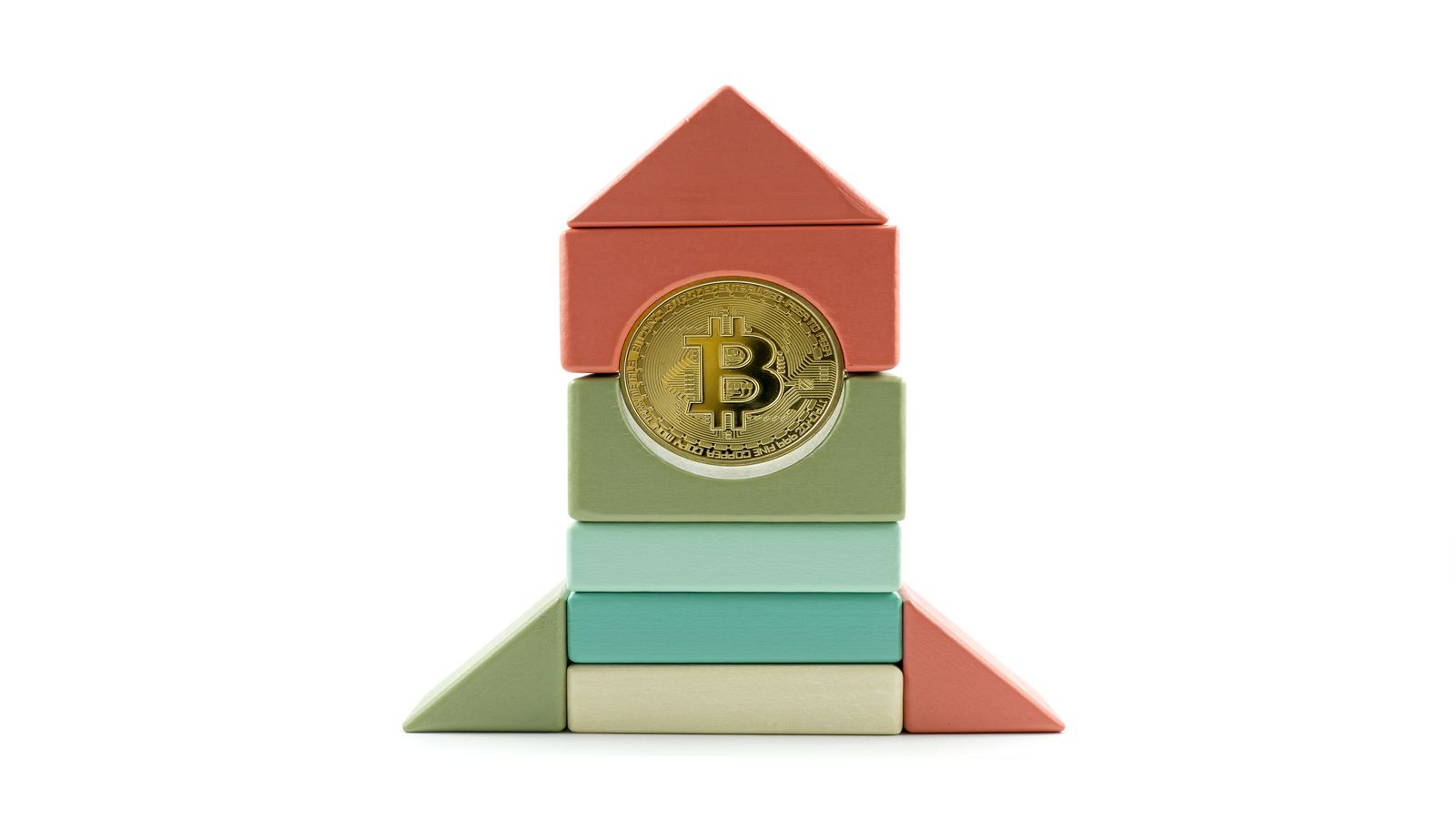
There is something quietly instructive about the way Bitcoin works at the protocol level. A new block is mined roughly every ten minutes. Not faster during bull markets. Not slower during bear markets. The difficulty adjustment ensures that this cadence holds regardless of how much hash power joins or leaves the network. The blockchain grows at the same patient pace whether the price is euphoric or despondent. One block at a time. This episode applies that principle to the human side of Bitcoin: accumulation, education, and the slow work of building understanding that actually sticks. If you want to formalize the accumulation side of this approach, the DCA Planner is built for exactly that purpose.
The Case for Slow
The dominant narrative around Bitcoin is speed. Fast price movements. Rapid adoption curves. Overnight millionaires. The stories that capture attention are the dramatic ones: the person who bought early and sold at the peak, or the one who lost everything on a leveraged trade. These stories are real, but they are not representative. The vast majority of successful Bitcoin holders got there slowly. They bought small amounts regularly. They studied gradually. They made mistakes, corrected, and continued.
There is a psychological reason why slow works better than fast. When you acquire something quickly, you have not built the understanding needed to hold it through adversity. This is why lottery winners often lose their winnings and why people who inherit wealth frequently mismanage it. The acquisition outpaced the education. In Bitcoin, this pattern plays out with painful regularity. Someone buys a large position based on a price prediction, watches it drop thirty percent, panics, and sells at a loss. They never built the conviction needed to sit still.
Slow accumulation solves this problem. Each purchase is accompanied by a bit more learning. Each dip is weathered with a slightly deeper understanding of why the asset exists. Over months and years, the position grows and so does the knowledge base supporting it. The person who accumulates slowly is far more likely to hold through volatility because their conviction was built incrementally alongside their position.
Dollar-Cost Averaging as Practice
Dollar-cost averaging is the mechanical expression of the "one block at a time" philosophy. You set a fixed amount. You buy at a fixed interval. You do not try to time the market. You do not increase your buy when the price is low or pause when the price is high. You just keep stacking, consistently, regardless of conditions.
The mathematical benefit is well documented. DCA smooths out the volatility of entry points. Over long periods, it tends to produce an average cost basis that is lower than most people achieve through attempted market timing, because humans are reliably bad at timing. We buy when we feel euphoric and hesitate when we feel fearful, which is the exact opposite of optimal behavior.
But the deeper benefit of DCA is behavioral. It removes the emotional decision from each purchase. There is no agonizing over whether this is a good time to buy. The system runs. The purchase happens. You move on. This mechanical discipline eliminates the most common failure mode in investing: doing the right thing inconsistently because emotions interfere.
Building Understanding Gradually
Accumulation is only half the equation. Understanding matters at least as much, and it follows the same principle: gradual progress beats cramming.
Bitcoin is a deep subject. It touches cryptography, economics, game theory, political philosophy, computer science, and monetary history. Nobody masters all of it quickly. The people who try to absorb everything at once usually end up confused, overwhelmed, or latching onto a single narrative that feels satisfying but is incomplete.
A better approach is structured progression. Start with the basics: what is Bitcoin, how does it work at a high level, and why does supply matter? Build from there to concepts like proof of work, the halving cycle, and the distinction between custody models. Then move into more nuanced territory: monetary policy, game theory between nation-states, Lightning network mechanics, and privacy considerations. Each layer deepens the understanding that supports the next.
The Start Here page is designed with this progression in mind. It does not dump everything on you at once. It provides a path, and the path has a pace that is meant to be walked, not sprinted.
Patience as a Competitive Advantage
In a market dominated by short attention spans and algorithmic trading, patience is genuinely rare. Most participants are optimizing for the next quarter, the next month, the next news cycle. The person who is optimizing for the next decade has a structural advantage that no amount of trading skill can replicate.
Bitcoin's design rewards this. The supply schedule is predictable. The halving events create cyclical supply shocks that play out over years. The adoption curve is measured in decades. None of this is visible on a daily price chart. All of it is visible on a multi-year chart. The person with patience sees the entire picture. The person without patience sees only the noise.
This does not mean that patience is passive. Passive patience is just inattention. Active patience means continuing to learn, continuing to accumulate, continuing to improve your security practices, and continuing to engage with the Bitcoin community, all while refusing to be rushed by short-term price movements or media cycles.
Practical Takeaway
If you feel behind, you are not. Bitcoin is still in its early adoption phase. The network is still adding blocks, one at a time, just as it was in 2009. Your job is to match that rhythm: accumulate steadily, learn consistently, and resist the urge to compress a multi-year process into a weekend of frantic activity.
Set up a recurring buy with the DCA Planner. Pick one topic to study each week. Review your security setup once a quarter. Talk to one person about Bitcoin each month. Small, consistent actions compound into something significant. One block at a time. The Podcast archive and the Start Here page are waiting whenever you are ready for the next step.
Frequently Asked Questions
Is it too late to start accumulating Bitcoin?
Bitcoin's adoption is still a small fraction of its potential. The network continues to grow. The supply continues to tighten through halving events. Starting now with consistent accumulation puts you ahead of the vast majority of the global population who have not yet begun. The best time to start was years ago. The second best time is now.
How much should I buy each week or month?
The amount matters less than the consistency. Choose an amount you can sustain indefinitely without affecting your ability to cover expenses and obligations. Even very small recurring purchases compound meaningfully over years. The discipline of the habit matters more than the size of any individual purchase.
What if the price drops right after I buy?
It will. Multiple times. This is normal and expected in a volatile asset. Dollar-cost averaging means some purchases will be at local highs and some at local lows. Over time, these average out. The key is to avoid the emotional response of stopping your plan during a dip, which is precisely when the purchases are most favorable.
How long does it take to really understand Bitcoin?
Most people who study Bitcoin consistently report a meaningful shift in understanding somewhere between six months and two years. But understanding deepens indefinitely. There is always another layer. The goal is not to achieve complete understanding before starting. The goal is to learn continuously alongside your accumulation.
- DCA Planner to set up a disciplined, consistent accumulation plan
- Start Here for a structured learning path that builds understanding incrementally
- Browse All Episodes for more conversations about patience, strategy, and the long game