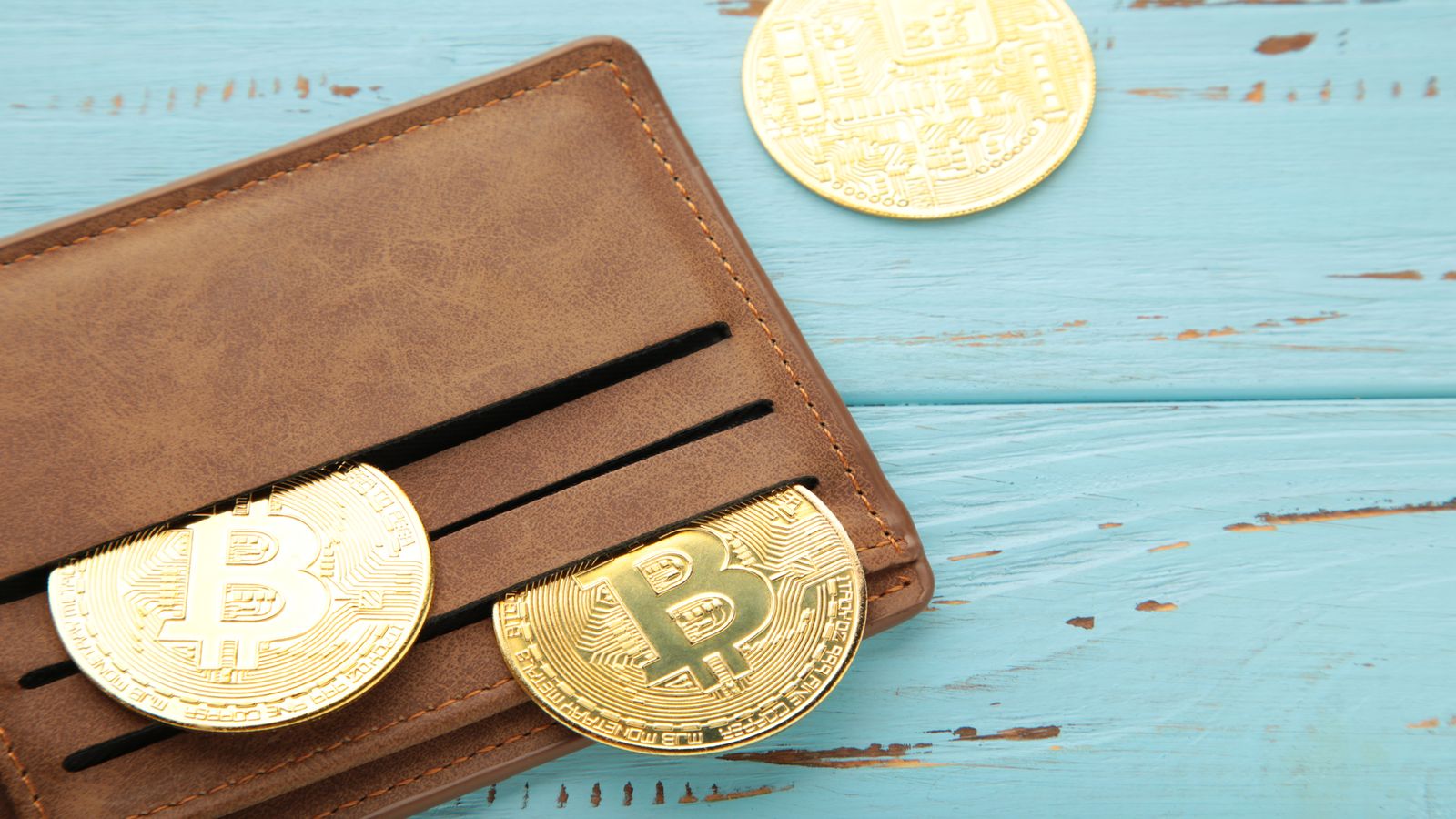
Peter Schiff has become the most visible critic of Bitcoin from the sound money camp. That position makes the debate worth examining seriously, because unlike critics who dismiss Bitcoin as a fad or a fraud, Schiff comes from a place of understanding monetary debasement, central bank overreach, and the historical role of hard assets. This episode works through his core arguments against Bitcoin, the counter-arguments from the Bitcoin side, the properties that gold and bitcoin actually share, the properties where they diverge, and the broader question of what sound money means when the world has gone digital. I have followed this debate closely for years and have held both gold and bitcoin during that time, which makes the comparison less theoretical and more grounded in real portfolio experience. For the technical underpinnings of how Bitcoin's monetary properties are enforced at the protocol level, the How Bitcoin Works guide covers the mechanics.
Schiff's Core Case Against Bitcoin
Schiff's argument rests on a few central claims. First, he contends that bitcoin has no intrinsic value. Gold has industrial uses, jewelry demand, and thousands of years of cultural recognition. Bitcoin, in his view, is a sequence of numbers with no physical utility. Second, he argues that bitcoin's value is entirely speculative, driven by greater fool dynamics rather than fundamental demand. Third, he maintains that gold's track record as a store of value across millennia makes it a proven hedge, while bitcoin's relatively short history leaves it unproven.
These are not weak arguments. They have internal logic, and they appeal to a long tradition of commodity-based monetary thinking. Schiff is not a crank. He accurately predicted the 2008 housing crisis. His understanding of fiat monetary policy failures is sophisticated. The disagreement is not about whether the current monetary system is broken. Both sides agree on that. The disagreement is about what the fix looks like.
The Intrinsic Value Question
The intrinsic value argument is the most philosophically interesting and the weakest on examination. Nothing has intrinsic value in an absolute sense. Value is always subjective, always contextual, always determined by what someone is willing to exchange for something else. Gold's industrial uses account for a small fraction of its market capitalization. The vast majority of gold's value comes from the same place Schiff claims bitcoin's value comes from: collective belief that it is valuable.
The difference is that gold's collective belief has been reinforced over thousands of years. That is a real advantage. But it is an advantage of history, not of physics. Gold is not valuable because it is shiny. It is valuable because generations of humans chose it as money, and those choices compounded into deep cultural and institutional trust. Bitcoin is building the same kind of trust, faster, on a different foundation.
Bitcoin's foundation is mathematical scarcity rather than physical scarcity. There will never be more than twenty-one million bitcoin because the consensus rules enforced by tens of thousands of independent nodes make any alternative supply schedule computationally untenable. That is not a promise from a CEO or a government. It is a property of the network architecture itself.
Where Gold Still Wins
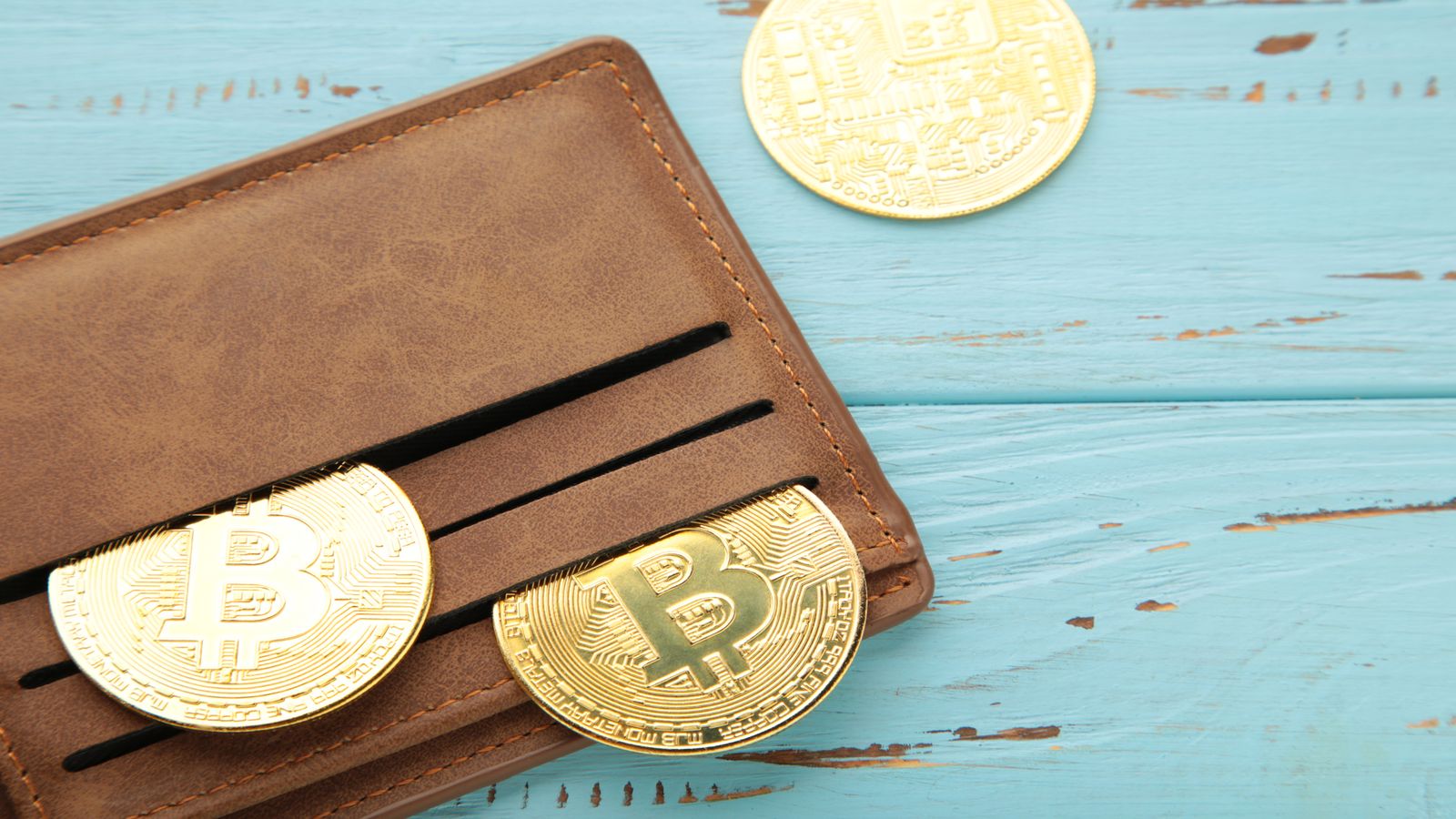
Intellectual honesty requires acknowledging where gold genuinely outperforms bitcoin. Gold works without electricity. It works without the internet. It works in a world where infrastructure has collapsed. A gold coin buried in a field can be dug up a century later and still hold value. Bitcoin depends on a functioning network, electricity, and some form of communication infrastructure.
Gold also carries lower volatility. For someone who needs stability in the short to medium term, gold's price behavior is more predictable. Bitcoin's volatility, while decreasing over time, remains significant. This makes gold a better choice for capital preservation over periods of one to five years, particularly for people who cannot afford drawdowns.
Gold's history is another genuine advantage. It has survived empires, revolutions, monetary collapses, and technological upheavals. Bitcoin has existed since 2009. That is not enough time to prove the kind of deep resilience that gold has demonstrated. Anyone who dismisses this point is not thinking carefully enough about tail risks.
Where Bitcoin Wins Decisively
Bitcoin's advantages cluster around the properties that matter most in a connected, digital world. Portability: you can carry a billion dollars worth of bitcoin across any border with nothing more than a memorized seed phrase. Try that with gold. Divisibility: a single bitcoin divides into one hundred million satoshis, making it useful for transactions of any size. Gold is difficult to divide precisely without specialized equipment.
Verifiability is another clear win. You can verify a bitcoin transaction independently using a full node. Verifying the authenticity and purity of gold requires assay equipment, trusted intermediaries, or destructive testing. Counterfeit gold bars have been discovered in bank vaults. Counterfeit bitcoin is mathematically impossible.
Censorship resistance matters more than gold advocates typically acknowledge. Gold stored in a vault can be confiscated. Gold shipped across borders can be intercepted. Gold held by a custodian is subject to that custodian's legal jurisdiction. Bitcoin held in self-custody, with proper operational security, is extremely difficult for any actor to seize without the holder's cooperation. For people living under authoritarian regimes, this is not an abstract point. It is the reason they choose bitcoin over gold.
The Bitcoin Market Structure guide explores how these properties affect institutional and retail adoption patterns.
The Real Disagreement
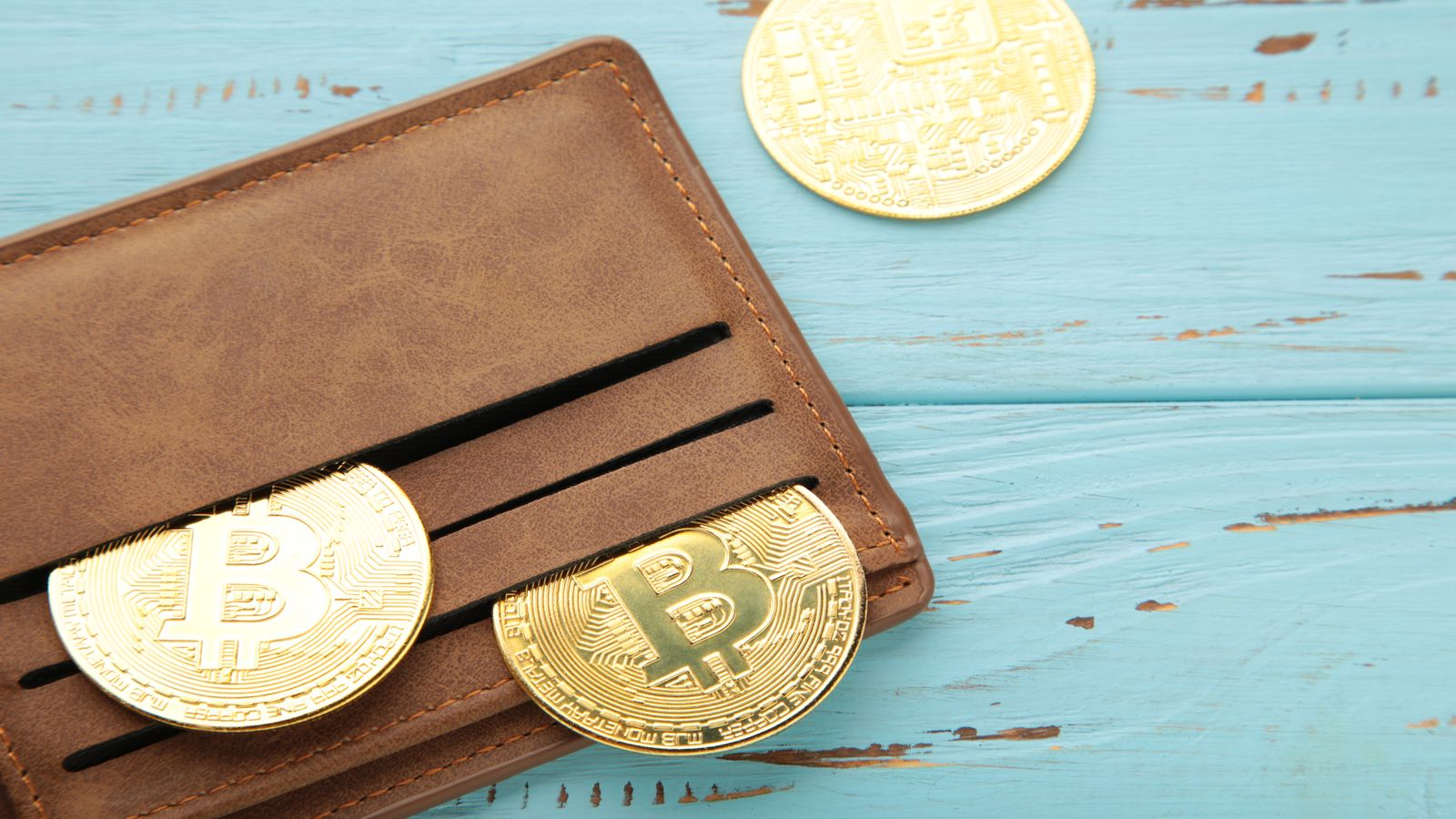
Strip away the rhetoric, and the Bitcoin versus gold debate is really a debate about trust. Gold advocates trust physical reality. They trust atoms. They trust the fact that gold has been money for five thousand years and will probably be money for five thousand more. Bitcoin advocates trust mathematics and network effects. They trust that a decentralized protocol enforced by code is more reliable than any physical asset that depends on human institutions for custody and verification.
Both forms of trust have merit. The question is which matters more in the world as it actually exists today. We live in a world where most wealth is digital, most commerce is digital, and most state power is exercised through digital financial systems. In that context, a digitally native hard asset with built-in censorship resistance and global portability has practical advantages that physical gold cannot match.
Schiff's mistake, in my assessment, is not that he values gold. It is that he evaluates bitcoin using a framework designed for physical commodities and then concludes it fails. Of course it fails on those terms. It was never trying to be a physical commodity. It is trying to be something that did not exist before: a digitally scarce bearer asset with no counterparty risk. Judging it by gold's standards is like judging email by the standards of postal efficiency.
Practical Takeaway
You do not need to pick a side in this debate to benefit from understanding it. The gold and Bitcoin camps share a diagnosis: fiat money is being debased, and savers need to opt out of that system. They disagree on the vehicle. If you have the resources and the conviction, holding both is a perfectly rational strategy. Gold for deep historical resilience and lower volatility. Bitcoin for portability, censorship resistance, and asymmetric upside in a digital world.
What you should not do is dismiss either asset based on tribal loyalty. The sound money discussion deserves better than that.
Frequently Asked Questions
Is Bitcoin digital gold?
The analogy captures some truth: both are scarce, neither is controlled by a central authority, and both serve as stores of value outside the fiat system. But the analogy also obscures important differences. Bitcoin is programmable, instantly transferable, and verifiable without trusted third parties. Gold is none of those things. "Digital gold" is a useful shorthand, not a complete description.
Why does Peter Schiff keep criticizing Bitcoin?
Schiff built his career and business around precious metals and Austrian economics. His criticisms are consistent with a commodity-based monetary framework. He genuinely believes that money must have physical utility to sustain value long-term. Whether you agree with that premise determines how you evaluate his arguments.
Should I hold both gold and bitcoin?
Diversification across different forms of hard money is a defensible strategy. Gold offers stability and a multi-millennial track record. Bitcoin offers superior portability, censorship resistance, and a fixed supply enforced by mathematics. The allocation depends on your time horizon, risk tolerance, and how much weight you place on digital versus physical properties.
What do gold bugs and Bitcoiners agree on?
Both camps agree that fiat currency debasement is a serious problem, that central banks have been irresponsible with monetary policy, that savers are being punished by inflation, and that individuals need assets outside the traditional financial system. The shared diagnosis is much larger than the disagreement about the solution.
- How Bitcoin Works for the technical foundation behind Bitcoin's monetary properties
- Bitcoin Market Structure for how scarcity and institutional flows interact
- Browse All Episodes for more conversations about sound money, monetary policy, and Bitcoin culture